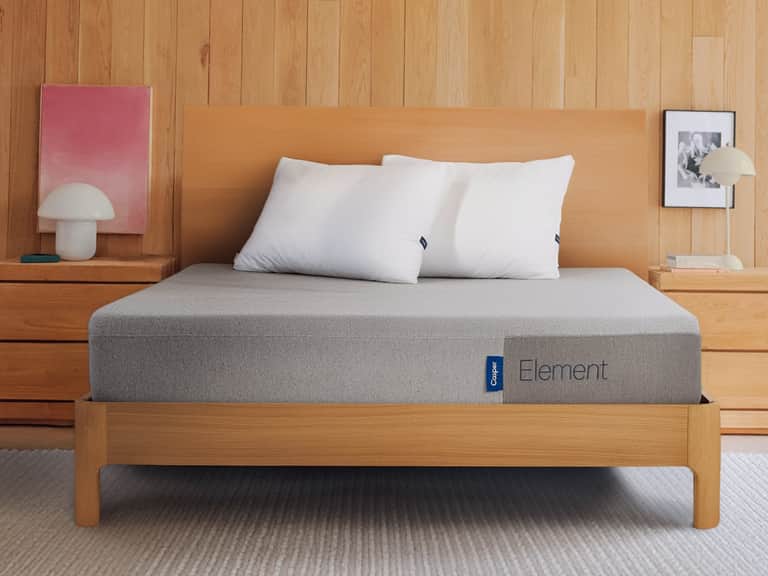
Foam mattresses are crafted to provide balanced support and contouring comfort, using viscoelastic or polyfoam layers to align the spine and relieve pressure points. In foam constructions, zoning and density variations influence firmness, durability, and motion isolation. Understanding core materials helps compare how Original Mattress and Element Mattress respond to body weight and sleep position.
The Original Mattress often emphasizes tailored pressure relief with a multi-layer foam system that adapts to body contours while maintaining support at the hips and shoulders. Key features include breathable covers, supportive base layers, and temperature-neutral foams that promote a stable sleeping surface across different room conditions.
The Element Mattress typically combines adaptive foams with targeted transition layers to balance comfort and spinal alignment. Functional benefits often include improved edge support, reduced partner disturbance, and diverse firmness options that cater to side, back, and combination sleepers without sacrificing structural integrity over time.
Foam mattress performance is influenced by factors such as density, open- versus closed-cell structures, and cooling technologies. Materials like latex-inspired foams and breathable covers work together to regulate temperature, while durable foams maintain shape under repetitive loading for prolonged comfort and consistent support throughout the night.
When evaluating foam mattresses, consider sleeping style, body weight, and preferred contouring level. Products like the Original Mattress and Element Mattress illustrate how layer configuration, cover materials, and density gradients affect sleep quality, motion transfer, and longevity, aligning with comprehensive bedding considerations including sheets and pillows alongside organic options.
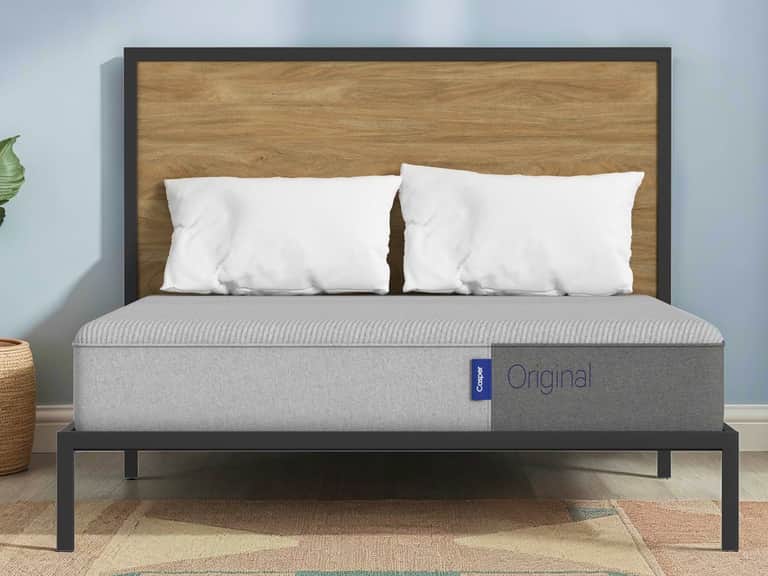 Mattresses