The Bed Store: A Thoughtful Guide to Sleep, Space, and Sleep Environment
Exploring how beds, bedding, and the bedroom milieu shape quality rest — with an emphasis on evidence-based guidance, design clarity, and consumer education.
A Domain with Meaning: Interpreting The Bed Store
The phrase “the bed store” tends to evoke commerce at first glance, a marketplace where mattresses and frames are traded for sleep. Yet in the frame of this resource, the name functions as a portal: a curated repository of bed-related knowledge, a catalog of ideas rather than products. The bed is more than a piece of furniture; it is the stage for sleep health, ergonomic alignment, and personal well-being. The Bed Store, reimagined as a non-commercial knowledge hub, seeks to illuminate how the bed—its components, its arrangement, and its surrounding environment—affects the way we rest and recover.
The site’s identity rests on a simple premise: readers deserve clear, science-informed guidance that helps them make sense of materials, ergonomics, and room design without the pressure of shopping captions or promotional language. This is a place to learn how sleep science translates into everyday choices—toward calmer bedrooms, steadier circadian rhythms, and deeper, more restorative nights.
Story, Evidence, and a Practical Frame
A well-constructed sleep environment is a blend of biology and behavior. Sleep science teaches that the body seeks a consistent daily routine, a cool and dark bedroom, and a bed that aligns with one’s posture and comfort preferences. The Bed Store embraces this dual lens: it describes the physiological underpinnings of sleep (from circadian cues to muscular support) while offering actionable guidance on how to implement a bedroom layout and bedding system that supports healthy sleep patterns.
Rather than endorsing specific products, the site highlights core concepts—mattress fundamentals, pillow selection logic, sheet construction, and environmental factors such as temperature, light, and noise. When real-world items help illustrate a point, they are presented in a product-aware but non-promotional manner, with citations and practical caveats. The aim is intellectual clarity: readers come away with a grounded understanding of what matters in a sleep-friendly room, and why.
Foundations: How to Think About Bedding and Sleep Ergonomics
The bedding category is more than a collection of textiles. It is a system. Sheets, pillows, and toppers interact with the mattress to influence thermal comfort, moisture management, and pressure distribution. A careful approach to materials—cotton, linen, wool blends, latex, and the blends that combine these properties—helps readers anticipate how a given setup will perform across seasons and life stages. The Bed Store advocates for understanding fabric weave, thread count as a cautious guide rather than a sole predictor, and the importance of fit and maintenance in sustaining comfort over time.
Pillows are a critical but often misunderstood piece of the sleep equation. The right level of support for the neck and the alignment of the spine depend on sleeping position, weight distribution, and personal sensitivity. Readers are encouraged to experiment with firmness and loft while paying attention to how their shoulders and hips interface with their chosen sleep surface. A well-chosen pillow is not a luxury; it is a foundational element of spinal health and nighttime relaxation.
Environment as Feedback: Temperature, Light, Noise, and Routine
Sleep does not occur in a vacuum. The surrounding environment communicates signals to the brain: temperature fluctuations cue the body toward sleep onset and wakefulness, light exposure modulates melatonin production, and ambient noise shapes the continuity of rest. The Bed Store presents practical guidance for optimizing these signals: strategies to maintain a thermoregulatory balance, tips for blackout and light-control, and mindful routines that anchor the wind-down process. These considerations, when integrated with a thoughtful bed setup, yield tangible improvements in sleep duration and quality.
In addition, the site emphasizes durability and ease of care. Materials that are easy to maintain and that stand up to regular laundering can reduce the burden of upkeep, which in turn minimizes sleep disruption caused by fatigue or housekeeping. The goal is a serene, low-friction sleep environment that supports consistency rather than volatility.
The Bedding System: From Sheets to Skirts and Beyond
Bedding systems comprise more than a mattress and a cover. The relationships between sheets, quilts, bed skirts, and toppers create a layered experience that affects both tactile comfort and aesthetics. The Bed Store draws attention to three central ideas:
- Material and weave influence breathability and moisture management. Cotton, linen, and blends each offer distinctive warmth profiles and feel against the skin.
- Loft and construction matter for pressure distribution and insulation. A well-litted combination of a mattress protector, a padded layer, and breathable top textiles can help align the body with comfort throughout the night.
- Finishing details—like bed skirts and tailored edges—contribute to the sense of calm in a room, supporting a perception of order that can ease the mind at bedtime.
In practice, readers are guided to think through how each component serves the overall sleep system. The emphasis remains on understanding, not selling. When product-specific references are necessary to illustrate a concept, they are presented with clear context and without promotional bias.
A Look at Real-World Examples: Product Context, Not Promotion
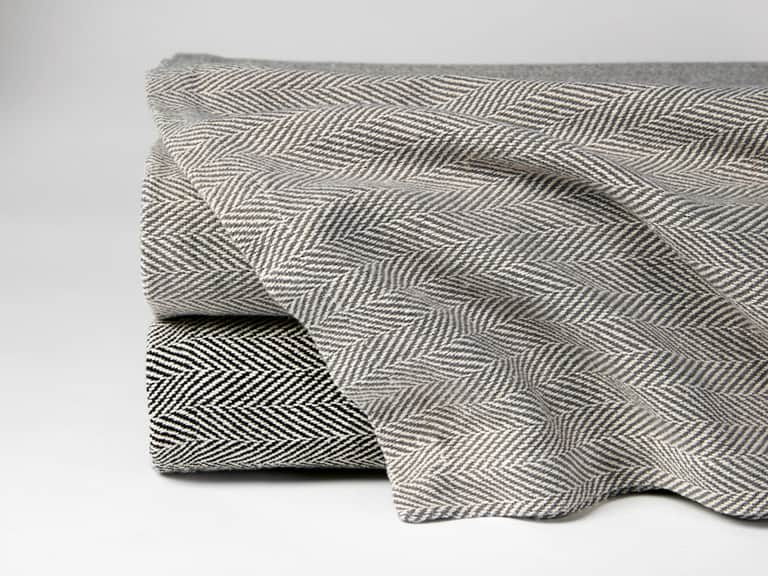
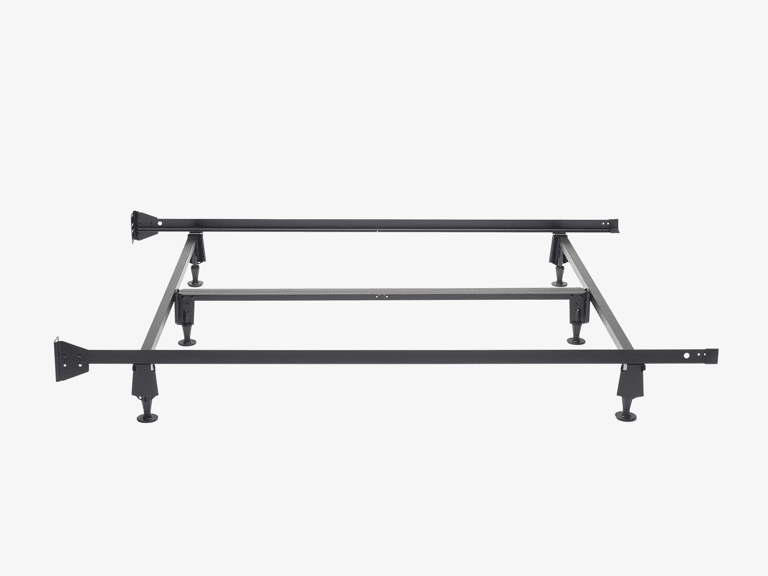
To ensure grounding in everyday terms, the site may refer to widely available product categories in neutral ways. For instance, a metal bed frame made from recycled steel can illustrate durability, simple assembly, and compatibility with common foundations. Similarly, a high-quality bed-end accessory crafted from brushed cotton in a herringbone weave can demonstrate how texture and edge detailing contribute to a room’s tactile and visual coherence.
Where product names appear, they are used for explanatory clarity and linked to their official pages that describe specifications and care instructions. The Bed Store remains explicit that the primary goal is knowledge, not shopping; any mention of items serves to illuminate a concept rather than to steer a purchase decision.
Concrete Examples for Context
- Metal Bed Frame: A sturdy, tool-free assembly frame can illustrate how a minimal foundation supports both longevity and mattress performance when paired with a compatible foundation.
- Celine Bed End: A brushed cotton texture in a herringbone weave shows how fabric selection at the bed’s edge can influence room tactility and perceived quality without implying a product recommendation.
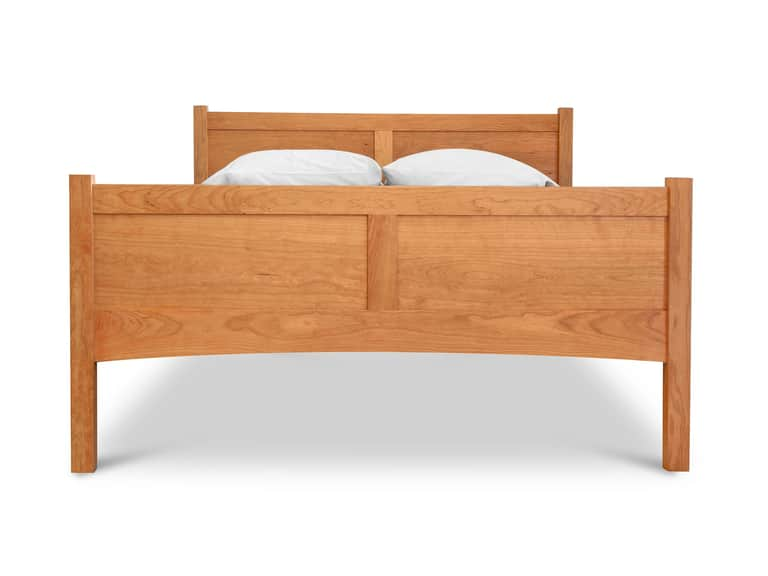
- Essex High Footboard Bed: An example of hardwood construction and finish choices demonstrates how durable materials and sustainable finishes contribute to the bed’s longevity and visual resonance in a variety of interiors.
A Responsible Editorial Approach: Citations, Updates, and Trust
The Bed Store is built on trust. Content is designed to be evergreen where possible, with updates to reflect new sleep science, emerging standards in materials, and evolving consumer guidance. When claims rely on evidence, sources are cited, and the language remains precise and measured. This editorial stance reinforces the site’s role as a reliable resource for readers who seek to understand the sleep environment rather than to be sold a particular product.
Readers are encouraged to ask questions, suggest topics, and request clarifications. The site’s structure supports interactive learning through explainers, checklists, and practical worksheets that can be downloaded and used in daily life. The overarching objective is to empower readers to implement sleep-enhancing changes with confidence and calm.
Editorial Tone: Clear, Evidence-Based, and Accessible
The voice remains helpful, expert, and approachable. The aim is to translate complex sleep research into actionable guidance without resorting to hype. By prioritizing readability, the site helps readers navigate topics such as environmental control, material selection, and ergonomic alignment. The Time Magazine-inspired cadence informs a tone that respects the reader’s time and intelligence while delivering rigorous content and practical takeaways.
What to Expect: Content Pillars and Opportunities
Core content includes explainers on how sleep works, mattress fundamentals, pillow selection logic, and guidelines for optimizing the sleep environment. Guides provide room-by-room strategies for layout and ergonomics, while myth-busting pieces dissect common misconceptions about sleep and bedding. Checklists help readers perform a quick, credible bedroom audit, ensuring their space aligns with best practices for rest.
Supplemental content adds depth: expert interviews, glossary entries that clarify sleep terminology, infographics that visualize concepts like thermoregulation, and downloadable one-page guides that users can reference in real life. Each piece is designed with accuracy, accessibility, and utility in mind.
Future Directions: Content Calendar and Site Map
If you’d like, a forthcoming outline could include a content calendar that staggers foundational topics (sleep architecture, mattress types, pillow types) with evergreen maintenance pieces (seasonal bedding care, room lighting adjustments) and quarterly updates on sleep science findings. A basic site map would organize sections into Bedding, Pillows, Sheets, and Organic Mattresses, with cross-linking to explain how each category contributes to the whole sleep system.
Product Context: Real Items in a Non-Promotional Frame
Within the constraints of editorial integrity, the site may reference products in a way that informs rather than promotes. When a product aligns with a concept—such as frame durability, ease of assembly, or material safety—links to official product pages may be included to illustrate specifications, warranties, and care instructions. The emphasis remains on education about the sleep environment rather than direct shopping prompts.
Examples of how a product reference might appear include brief descriptions of a solid, low-to-no-VOC finish long associated with durable beds or an example of a bed-end accessory that demonstrates how textile texture can influence room perception. Any product mention is integrated to illuminate a point, not to persuade a purchase decision.
Conclusion: Building Authority Through Sleep-Forward Design
The Bed Store aims to be more than a resource; it aspires to be a trustworthy partner in the reader’s journey to better sleep. By treating the bed as a system, by foregrounding sleep science, and by presenting clear methods for improving the sleep environment, the publication hopes to cultivate informed decisions, healthier routines, and calmer bedrooms. In a world of constant information flows, the goal is timeless guidance—ergonomic, environmental, and educational—so that every night can be an opportunity for restoration and clarity.
A Starter Set: Suggested Topics for a Foundational Library
To help orient new readers, here is a starter set of 12 article topics with potential angles and keywords, designed to attract and educate a broad audience while remaining faithful to the site’s educational mission:
- Sleep Basics: How Sleep Works and Why It Matters — keywords: sleep stages, circadian rhythm, sleep architecture
- Mattress Fundamentals: Firmness, Support, and Sleep Posture — keywords: mattress types, spinal alignment, pressure relief
- Pillow Psychology: Matching Firmness, Loft, and Sleep Position — keywords: pillow loft, neck support, side vs. back sleepers
- Thermal Comfort: Temperature, Bedding Materials, and Nighttime Warmth — keywords: thermoregulation, breathable fabrics, cooling sheets
- Moisture Management: Wicking, Absorption, and Laundry Care — keywords: moisture-wicking textiles, wash routines, fabric freshness
- Bedroom Layout for Sleep: Zoning, Light Control, and Noise Reduction — keywords: room darkening, acoustic comfort, layout optimization
- Allergies and Sleep: Hypoallergenic Materials and Cleaning Routines — keywords: hypoallergenic bedding, dust mites, allergy-friendly fabrics
- Safety and Sleep Health: VOCs, Certifications, and Environmental Considerations — keywords: OEKO-TEX, certifications, low-VOC finishes
- Ergonomics and Posture: Spine-Neutral Sleep and Pain Prevention — keywords: spinal alignment, posture cues, ergonomic bed setup
- Seasonal Bedding: Layering for Year-Round Comfort — keywords: layering, seasonal switches, warmth balance
- Budgeting for a Sleep-Quality Bedroom: Prioritizing What Matters Most — keywords: budget sleep, cost-effective choices, value of good sleep
- Myth-Busting: Common Sleep Beliefs Debunked — keywords: sleep myths, evidence-based sleep tips
Authoritative and Thoughtful: The Time-Style Editorial Lens
Adopting a Time magazine-inspired editorial approach, the Bed Store balances crisp reporting with narrative clarity. It treats sleep as a public-health topic as much as a personal comfort issue, presenting research-informed guidance in a way that readers can apply. The voice remains measured, the analysis visitors-centered, and the recommendations practical. In this manner, the Bed Store aspires to be a trusted companion on the journey to better nights and brighter mornings.
Representative Products Context (No Forced Promotions)
In keeping with a non-commercial emphasis, any product reference is contextual. For instance, a metal bed frame can illustrate a sturdy, minimalist foundation compatible with most standard foundations and mattresses. A brushed cotton bed-end demonstrates how texture at the bed’s perimeter can contribute to tactile richness and room finish without steering toward a particular brand. When a product is explicitly referenced, a link to the official page is provided to enable readers to explore specifications and care guidance on their own terms.
Representative items that might appear in editorial context include:
- Metal Bed Frame — a durable, recycled-steel option that highlights straightforward assembly and compatibility considerations.
- Celine Bed End — a textured cotton accessory that showcases how fabric choices affect room tactility.
- Essex High Footboard Bed — an example of solid hardwood construction and finish choices that communicate longevity and environmental responsibility.
This article is a sample editorial for a non-commercial site focused on sleep and bedroom ergonomics. All information presented aims to inform and empower readers to make thoughtful decisions about their sleep environment.