Metal Bed Frame
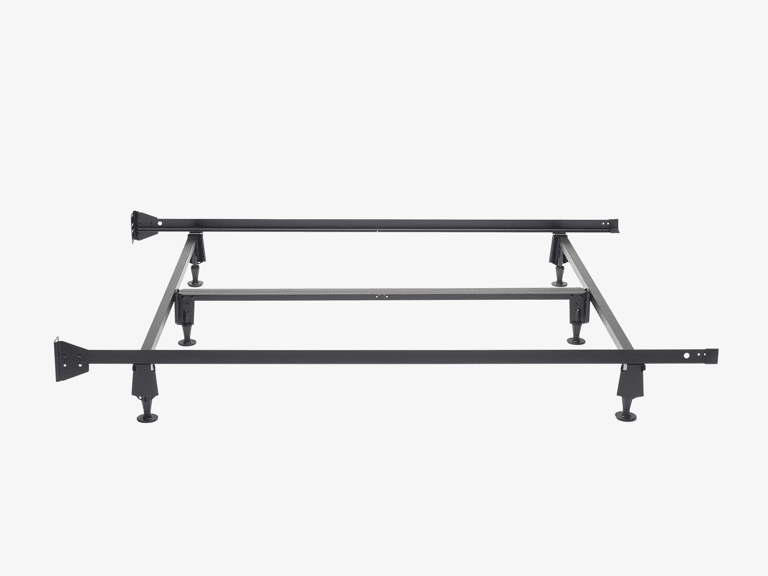
Durable, eco-friendly steel frame that goes up in minutes with no tools, pairing seamlessly with Casper foundations and mattresses for a simple, reliable sleep setup and lasting support.
In an era where bedrooms increasingly double as havens of rest, study, and personal climate control, a thoughtfully crafted resource about beds and sleep can be as essential as the mattress itself. The Bed Store, read as both a trusted retailer’s name and a non-commercial repository of bed-related knowledge, aspires to be that authority: a calm, evidence-based guide to understanding sleep, ergonomics, and the rooms where we spend a third of our lives. This article explores how a domain with a simple, memorable cadence can evolve into a legitimate center of expertise—one built on clarity, scientific grounding, and practical guidance for readers from all walks of life.
The topic here extends beyond the visible frame of a well-made bed. It invites readers to consider sleep as a physiological process, a design challenge, and a personal health routine that begins with the sleep surface, room layout, lighting, and ambient conditions. The Bed Store concept capitalizes on a careful synthesis of bedding fundamentals, room ergonomics, and evidence-based sleep science. It positions itself not as a storefront, but as a curated storehouse of knowledge—an invitation to learn, compare, and implement better sleep practices.
Sleep is both universal and intimate. If the internet age has taught us anything, it is that people crave reliable, digestible information that they can trust. A knowledge hub focused on beds and sleep must honor this dual nature: it should be accessible enough for a curious beginner, yet rigorous enough to serve as a reference for health professionals, students, and design enthusiasts. The Bed Store, with its succinct domain name and calm branding, has the potential to become a stable pillar in sleep literature—a place where readers can discover the basics of mattress types, pillow selection, and the physics of temperature regulation, all while learning how to optimize a bedroom environment for quality rest.
The potential pitfall of a domain that includes the word “store” is the expectation of shopping. The Bed Store, reframed as a knowledge resource, must be explicit in its non-commercial stance: articles, guides, and checklists rather than product listings. This distinction matters for trust-building. By emphasizing sleep science, design principles, and environmental considerations, the site can carve out a niche of credibility that readers recognize as genuinely useful and free from promotional pressure.
This direction encircles sleep physiology, mattress basics, pillow choice, and room optimization. It treats the bedroom as an ergonomic system where light, sound, temperature, and airflow interact with the bed to influence sleep onset and continuity. Content types include explainers on sleep stages, myth-busting about common sleep misconceptions, and science-backed guides on selecting foundational elements like toppers, foundations, and sheets without turning the site into a retail catalog.
While staying non-commercial, this path emphasizes interior design principles as they relate to the bed and sleep space. Readers explore color theory, spatial planning, storage solutions, and coordination of textures and finishes. The aim is to equip them with vocabulary and frameworks to discuss bedrooms with designers, builders, or family members, and to make informed decisions about layout and ambiance rather than chasing a specific product line.
This direction foregrounds materials, certifications, and environmental considerations that affect sleep quality and overall well-being. Readers learn about fabric certifications (for example, labeling and standardization narratives around hypoallergenic materials, low chemical emissions, and durability), safety considerations for bedrooms (to minimize allergens, fire risk, and choking hazards), and the ecological footprint of sleep-related products—articulated through fact sheets, checklists, and expert commentary.
The Bed Store’s voice should be calm, precise, and evidence-based. Citing reputable sleep research, medical guidelines, and industry standards strengthens trust. Updates timestamped with dates signal ongoing stewardship of the content. When interviews appear, they should reflect publicly documented opinions and be attributed to identifiable experts or institutions. No invented quotes or fictional personas should be inserted; the integrity of the piece rests on transparent sourcing.
The Bed Store presents a curated selection of bedding and sleep-supporting items that align with its informational mission. While the site describes products in context—explaining how certain frames or accessories support ergonomics, breathability, and maintenance—it does so within an educational framework, avoiding aggressive promotion. The interface invites readers to understand how the pieces fit into a sleep-friendly system rather than purchase momentum.
In a broader ecosystem of sleep resources, products can be referenced to illustrate concepts. For example, a metal bed frame made from recycled steel with tool-free assembly may be discussed in terms of durability, compatibility with foundations, and how a sturdy frame contributes to spinal alignment and edge support. The aim is not to push the product, but to demonstrate practical considerations in real-world bedroom setups.
When mentioning items, the article adheres to accuracy: only products that genuinely fit the topic and provide a concrete illustration of a design or health concept are cited, with direct links to their official pages as appropriate. No image placeholders accompany these references; the focus remains on informed reading and thoughtful consideration.
The bed is a cornerstone of daily life. Its design, materiality, and placement affect sleep quality, mood, and even cognitive function. The Bed Store narrative asks readers to adopt a systems-thinking approach: how does a breathable sheet interaction with a mattress core, or how does ambient temperature modulation influence nighttime thermoregulation? Thoughtful guidance—delivered with evidence, not anecdote—helps readers assemble a bed that supports restorative sleep.
Sleep science emphasizes core ideas: sleep is a recurring, cyclical process with phases; thermoregulation signals the transition between wakefulness and sleep; sleep debt compounds over time and can be mitigated by consistent routines and a stable sleep environment. The Bed Store aims to translate these ideas into practical, actionable steps, enabling readers to test routines, adjust room variables, and tune the bed system to their personal physiology.
The Bed Store organizes content into accessible, navigable sections. Core explainers demystify terminology and core concepts—mattress types (foam, spring, hybrid), pillow firmness ranging from soft to extra-firm, and the role of a foundation. How-to guides break down room setup steps: optimizing a sleeping nook, configuring bed height for ergonomic alignment, and creating an atmosphere that supports consistent sleep onset.
Myth-busting articles address common sleep myths—such as the belief that more pillows always improve sleep or that higher thread counts guarantee comfort—by presenting peer-reviewed findings, biomechanical considerations, and user-tested outcomes. Checklists turn knowledge into practice: a bedroom setup checklist, an evening routine checklist, and a seasonal comfort planning guide help readers maintain a sleep-friendly environment year-round.
Authority rests on transparent sourcing. The Bed Store commits to linking to peer-reviewed sleep research, clinical guidelines, and industry standards. When experts are consulted, the platform prioritizes publicly available insights from recognized institutions or practitioners. If expert interviews occur, they reflect documented positions and published opinions rather than invented voices.
Safety and sustainability feature prominently. Readers learn about certifications that matter to bedding materials, such as those addressing chemical emissions, allergen considerations, and environmental impact. The site emphasizes practical product literacy without pressuring purchases, guiding readers toward informed choices aligned with their values and budgets.
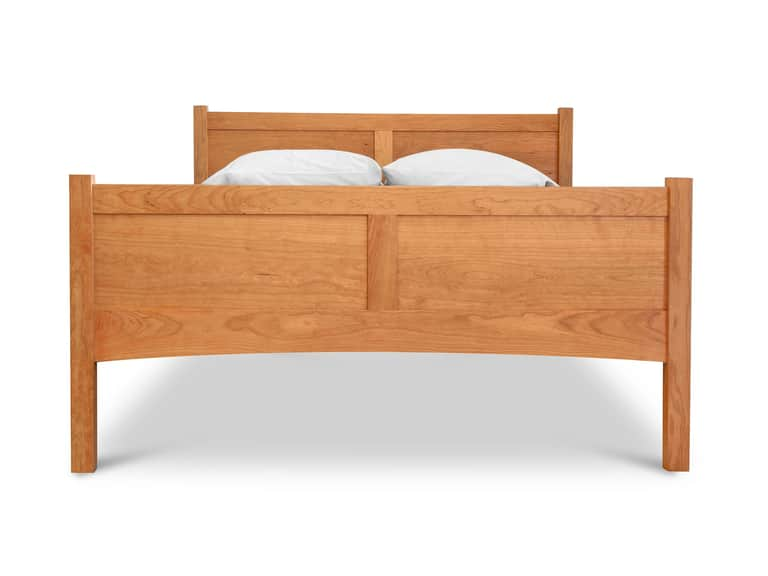
The Bed Store’s catalog-inspired knowledge sections mirror real-world shop categories to make it intuitive for readers to locate what matters. Bedding content dives into material science, weave types, and care guidance for sheets and comforters. Pillows get dissected by fill materials, loft, and sleeping position compatibility. Even when brand names surface—such as a Celine Bed End or Essex High Footboard Bed—these references anchor conversations about design cues, durability, and environmental considerations, rather than endorsing specific purchases.
When discussing furnishings or accessories, the editorial emphasis remains on how these pieces influence ergonomics, warmth, airflow, and ease of maintenance. Readers come away with a more nuanced vocabulary for describing their sleep environments and a clearer sense of how different components contribute to a cohesive, health-promoting bedroom.
Fabrics, fillings, and construction that influence breathability, moisture management, and durability.
Firmness, materials, and shape optimization for different sleep postures.
Weaves, thread counts, and care considerations that influence feel and longevity.
Certifications, materials, and lifecycle considerations for eco-conscious readers.
If you’re exploring a practical content plan for The Bed Store, consider a sample editorial calendar that blends foundational explainers with timely, seasonal guides. A starter set of 12 article topics could include:
The editorial voice should remain accessible, evidence-based, and steadily transparent. Readers are invited to engage with questions, cite sources, and participate in a growing library of knowledge about where we rest, how we rest, and why rest matters.
The site may reference real products only in service of illustrating concepts, such as how a sturdy bed frame supports proper alignment or how a breathable bedding layer pairs with a mattress to regulate temperature. If a product is mentioned, it should link to its official page and be presented in a way that reinforces the educational intent. The current catalog example includes items like a Metal Bed Frame that demonstrates durable frame construction and a Celine Bed End that helps readers visualize edge details and texture. For transparency, the article specifies that such references are for demonstration of concepts, not endorsements.
Important: The Bed Store’s article will avoid fabricating quotes, interviews, or biographical details about individuals. If the content notes experts, it will rely on publicly documented statements and established research, ensuring accuracy and ethics in representation.
In a landscape saturated with shopping-driven messaging, a dedicated knowledge hub about sleep, beds, and bedroom ergonomics can stand out by delivering dependable, actionable information. The Bed Store, as a concept, embodies a quiet confidence: a place where readers learn about how beds influence health, how to design a sleep-positive room, and how to navigate the myriad materials and configurations that affect comfort and well-being. The aim is not to push products, but to illuminate choices—empowering readers to make decisions aligned with their physiology, preferences, and values.
The path ahead invites ongoing, careful curation: updating with new findings, integrating expert guidance, and expanding categories to reflect evolving understandings of sleep health and interior ergonomics. With a steady commitment to clarity, credibility, and reader empowerment, The Bed Store can mature into a trusted authority—a modern repository that respects the science of sleep as much as the art of a well-made bed.